The Brush
Simple tools and attention to detail make a big difference.


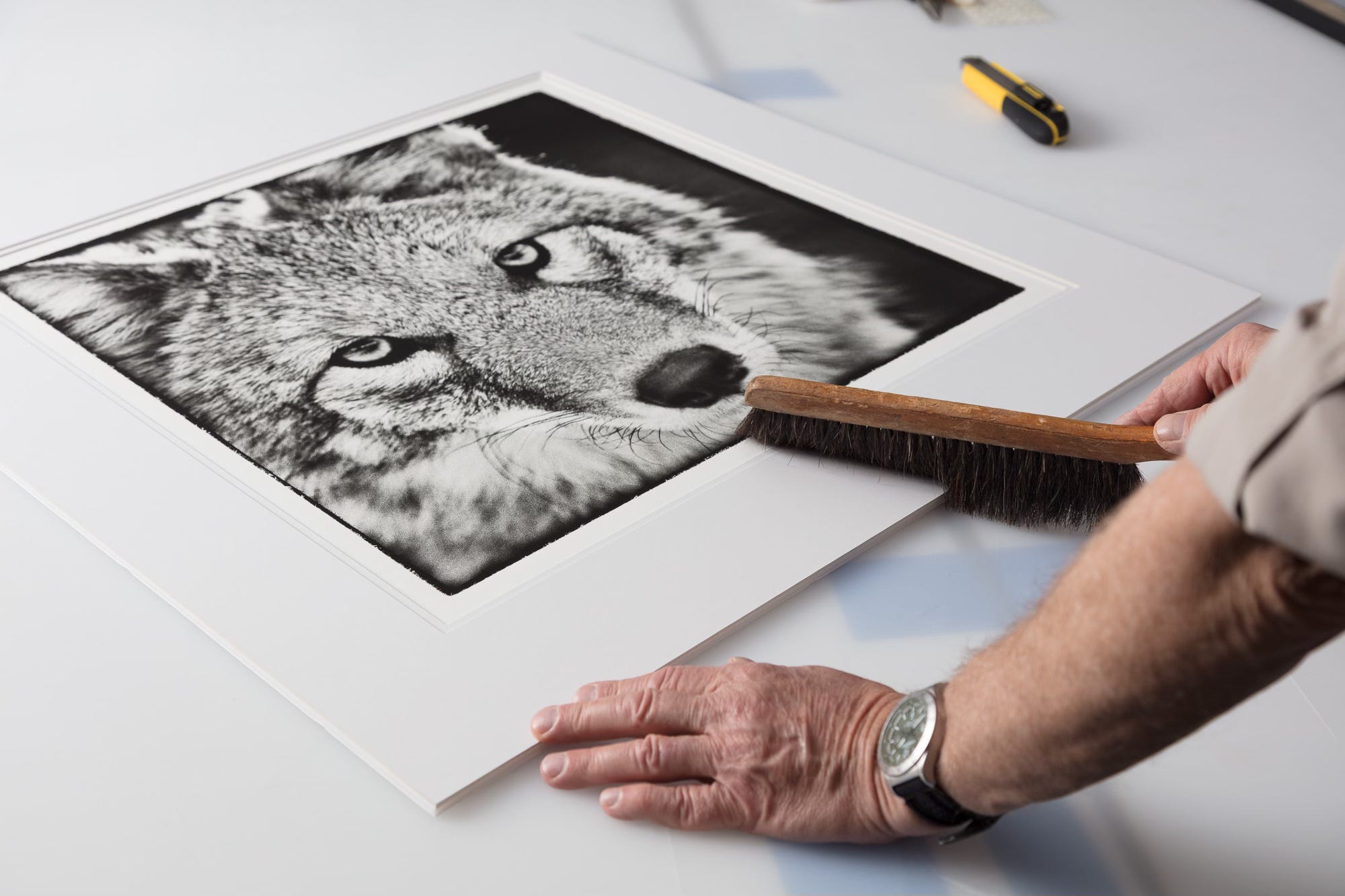
We spend a lot of time on this Substack talking about the technical ins and outs of fine art printing. But in the studio recently, Bob passed by as I was framing a print and casually commented on the tool I was using.
“You should do a Substack on it,” he said. “Seriously”.
The more I thought about it the more I’m seeing his point, because, candidly, it is undoubtedly the most used - and useful - tool in our studio. I’m referring to our indispensable camel’s hair (or horse hair) brush.
The Dust Devil
Let’s face it. If the devil is in the details, he’s masquerading as dust. A couple of years ago I framed a 40 x 60” print for a client. For any of you who have done large format prints, you know how painstaking that process is. I measured and cut the frame, sanded, glued and clamped it, painted it (1 coat of primer and two coats of paint), cut the glass and the double mat and backing board, affixed the print to the backing board, secured the package in place, affixed a dust cover, and added hanging wire. IMHO, the print looked gorgeous.
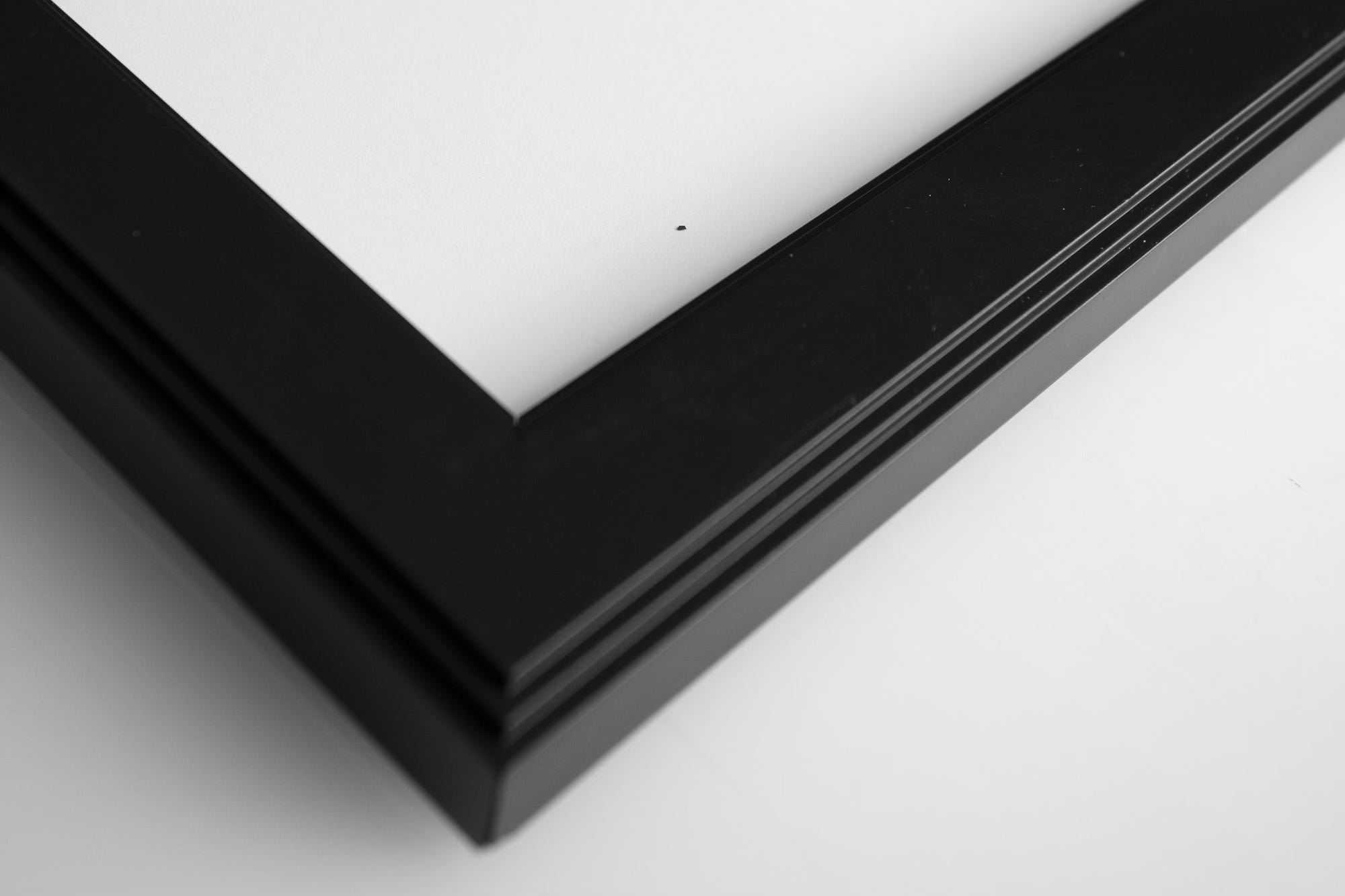
I stood it up and examined it. Perfect. The next day, as I was preparing to package it for delivery, I got a major wake-up call (smack up side of the head, as my North Carolina friends would say). On the bottom of the white outer mat there was a big flake of paint dust mocking my careful and time-consuming work. I’ll let you imagine how I reacted. After I calmed down, I dissasembled the entire frame and started all over. More on what caused this disaster in a minute.
Just Brush It Off... and Vacuum!
I do pride myself in meticulous attention to detail in our studio, so much so more than one of my colleagues over the years has suggested that I should rearrange the letters of Alan, my middle name (I’ll let you figure that one out).
A key tool for framing is my modest camel’s hair brush, which was given to me by my photographer father and which I have used every day in the studio for the past 50+ years. I’m constantly sweeping our work tables to reduce dust, crumbs and paper shavings on work surfaces.
For framing, my method for dust control is that before I do anything, I first sweep the work surface with my trusty brush. Then I lay down heavy paper to protect the work surface, I sweep the paper. I sweep the mats, backing board, etc.
One important tip is that if you do your own framing, after you sweep thoroughly, be sure to also methodically vacuum the insides of the frame (the rabbet) with the vacuum brush in place. That is the most problematic area. Dust can accumulate in the crevices and the nature of wood is that it holds the dust or wood splinters or paint chips until you are completely done with the frame, then spits them out.
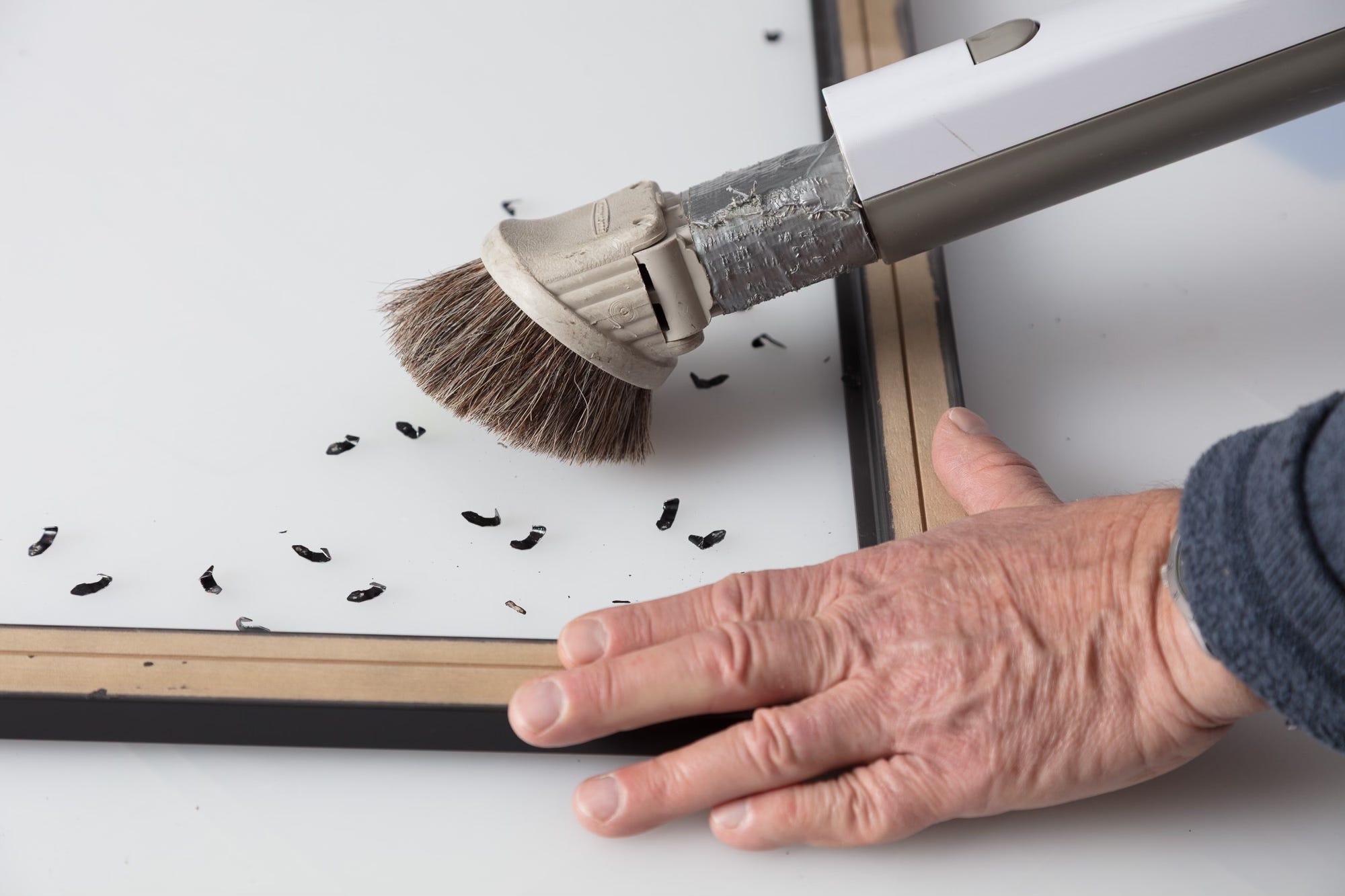
The point here is that aside from all the rather expensive items needed for framing, don’t forget the simpler ones. A large, soft hair brush (camel’s hair, horse hair or synthetic) is essential. It’s a devil of a tool.
Can't count the number of times I had this problem. Now I clean twice, wait till the next day to put the dust cover on. Like they say "measure twice, cut once".
This is truly my least favorite part of selling my artwork - sometimes I won't notice that speck of dust until it's hanging in my booth at an art show! I never heard of drafting brushes and just ordered a horsehair one on Amazon. Hopefully this will help - thanks!